
Exploring Polyurethane Skateboard Wheels: A Comprehensive Guide

Intro
Polyurethane wheels have become a hallmark of modern skateboarding, transforming the way skaters experience the sport. When you roll down a pavement, feeling the smooth connection between your board and the ground, you realize just how much a little material can make a difference. These wheels, made from a type of polymer known as polyurethane, offer skaters not just performance benefits, but also a slice of personal style.
The Significance of Polyurethane Wheels
In the vibrant world of skateboarding, polyurethane wheels are paramount. They provide the necessary grip and flexibility that regular plastic or rubber wheels simply can’t match. For beginners taking their first ride to seasoned pros perfecting their tricks, understanding these wheels is essential.
Moreover, the evolution of skateboarding techniques has pushed the boundaries of what athletes can achieve. As jumps, grinds, and flips became more complex, the demand for superior materials like polyurethane surged. Whether you’re carving through a park or tackling a street course, these wheels play a role in every ride.
Polyurethane wheels come in different grades and designs, each catering to specific skateboarding styles. From the round edges designed for street skating to the softer durometer choices favored by cruising skaters, the options are vast. This article digs deep into the significance of these wheels, effective maintenance practices, and how to effectively choose wheels tailored to your skating needs.
"Good wheels aren’t just about spinning; they’re about mastering your craft on and off the board."
In this guide, let’s explore the crucial aspects of polyurethane skateboard wheels, including their composition, benefits, ways to maintain them, and what to consider when choosing the perfect set for your ride. By the end, you’ll have all the insights to elevate your skating experience, whether you’re a lacing-up novice or an experienced shredder.
Understanding Polyurethane as a Material
In the world of skateboarding, the wheels you ride on can make all the difference. Among the slew of options available, polyurethane has carved a niche that attracts skaters of all skill levels. Understanding polyurethane as a material is key to appreciating its role in enhancing performance and overall experience on the board. This section explores not only what polyurethane is, but also why it’s the go-to choice for many skaters.
Chemical Composition
Polyurethane is a polymer created through the reaction of isocyanates and polyols. This may sound technical, but at its core, it refers to a combination of different chemicals that form a substance noted for its elastic qualities and sturdiness. The most notable aspect of polyurethane is its versatility. Skaters benefit from its ability to adapt to various conditions, ensuring that wheels maintain shape and performance, regardless of wear and tear.
While the chemical mix might differ slightly between manufacturers, the desired properties remain consistent: durability, resilience, and flexibility. Each ingredient contributes to the overall quality, which is why seasoned skaters often opt for polyurethane wheels over other materials. The right blend can mean the difference between a smooth glide and a bumpy ride.
Physical Properties
The physical properties of polyurethane also speak volumes about its superiority in wheel manufacturing. One of its standout characteristics is abrasion resistance. These wheels endure frequent usage out on rough surfaces without losing their luster. They offer a grip that enables stunts and tricks, making them a favorite among skateboarders, particularly those who perform in skate parks or urban terrains.
Moreover, polyurethane wheels are designed to manage impact well. This translates into shock absorption that cushions the skater against harsh landings or bumpy rides. In straightforward terms: when you hit that crack on the sidewalk while executing a sick trick, polyurethane wheels mitigate the hit, allowing for better control and stability.
Furthermore, they come in a variety of hardness ratings. This flexibility allows skaters to tailor their wheel selection to meet specific needs based on their riding style or preferred terrain. Softer wheels provide a smoother, more comfortable ride on rough surfaces, while harder wheels are ideal for smooth terrains that require greater speed. It's all about striking the perfect balance for comfort, control, and performance.
The increasing use and innovation surrounding polyurethane in skateboard wheels highlight its essential position in enhancing not just the equipment but the sport itself. Skaters, parents, enthusiasts, and even industry influencers should note the significance of this material—it's not just a fad; it's a fundamental part of skateboard technology.
Polyurethane isn’t just material; it’s an evolution in skateboarding gear.
History and Evolution of Skateboard Wheels
The journey of skateboard wheels is a fascinating tale that reveals how innovation and the quest for performance have shaped the skateboarding experience over the decades. Understanding this evolution is essential for any skateboard enthusiast. It's not merely about a round piece of plastic; it’s about how it has transformed the way we glide, turn, and even express ourselves on the board. From primitive beginnings to the advanced polyurethane varieties we see today, the history of skateboard wheels holds lessons about the sport's growth and the technology behind it.
Early Materials Used
In the early days of skateboarding, riders relied on wheels made from rather rudimentary materials. The first skateboards in the 1950s were often crafted from wooden planks with metal roller skate wheels attached. These wheels made it difficult for skaters to gain speed and navigate. With time, early enthusiasts drew inspiration from various sources. Some experimented with clay wheels, which offered a slightly smoother ride but still lacked the durability and grip needed for tricks and street skating.
- Wood and Metal Era: Most original setups featured wooden boards and metal wheels. This combination provided a rough ride, and riders often found themselves struggling for control.
- Clay Wheels: They emerged as a middle ground, providing a better balance between performance and practicality but still fell short when it came to durability. It didn’t take long for skaters to begin yearning for something that could handle the increasingly demanding tricks and terrains they were attempting.
This is when the skateboard scene began to shift. A deeper need for performance pushed skaters to seek alternatives that would allow for a more pleasurable ride and functional performance.
Shift to Polyurethane
The pivotal moment in the history of skateboard wheels came with the introduction of polyurethane in the 1970s. This shift marked a turning point not only in wheel design but also in the entire skating culture. Polyurethane's properties offered an ideal mix of flexibility and toughness, making for a ride that was not only faster but also smoother.
- High Resilience: The ability of polyurethane to absorb shock was revolutionary. This made it easier to navigate harsh terrain, providing a sense of control that had been previously unattainable.
- Custom Hardness Options: Skaters could now select from a range of durometers, allowing them to customize their riding experience based on the type of skating they preferred, whether it be street, vert, or cruising.
- Enhanced Grip: The improved grip of polyurethane wheels meant that skaters could execute tricks with greater precision. With enhanced traction, riders felt more confident hitting ramps and grinding rails, pushing the boundaries of the sport further.
"The shift to polyurethane was more than just a material change; it was about paving the way for advanced skateboarding techniques and styles. Skaters transformed from casual riders to innovators in their craft."
The rise of polyurethane wheels spurred a revolution in skateboarding that continues to impact the sport today. The evolution from primitive metal and wooden wheels to sophisticated polyurethane designs is underscored by a relentless pursuit of better performance, paving the way for the tricks and styles we see now on modern skateboards.
By recognizing this history, skaters and enthusiasts can appreciate not only the wheels beneath their boards but also the culture and community built around this dynamic sport.
Advantages of Polyurethane Wheels
The selection of skateboard wheels can make or break a skateboarder's experience on the board. Polyurethane wheels have emerged as a premier choice across the globe. These wheels provide some significant advantages, greatly impacting overall performance and enjoyment. Understanding these advantages can help skaters make informed choices that suit their individual needs. In this section, we will explore three major advantages of polyurethane wheels: their durability and longevity, grip and performance, and versatility across various terrains.
Durability and Longevity
One of the standout traits of polyurethane wheels is their durability. Unlike traditional materials used in the past, such as wood or rubber, polyurethane is a synthetic compound that can withstand a lot of wear and tear. This means that skaters can expect these wheels to last longer, saving them the trouble of replacing wheels frequently.
They are less prone to flattening or tearing, making them ideal for the rigorous demands of skateboarding.
Some skaters have reported that their polyurethane wheels have lasted for years even under heavy use. This longevity not only benefits the skater financially but also through the reduction of waste. Fewer wheel replacements mean less material finds its way into landfills.
Grip and Performance
Another critical advantage of polyurethane wheels lies in their incredible grip. Thanks to their unique composition and texture, these wheels provide superior traction on various surfaces, whether on the rough pavement of a skate park or the smooth asphalt of a street. When doing tricks, the grip helps skaters stay stable, which is crucial for both safety and performance.
This grip translates into enhanced confidence when performing maneuvers or carving down ramps.
Moreover, the performance of polyurethane wheels extends beyond grip. The co-efficient of friction is favorable when compared to other materials, making it easier to control speed during tricks or fast descents. As the old saying goes, "You can't ride a slippery slope"; and polyurethane wheels sure help skaters avoid those mishaps that come from lacking control.
Versatility Across Terrain
Polyurethane wheels excel in their versatility across diverse terrains. Whether a skater is tearing it up at a local skate park, cruising urban streets, or piggybacking on a long-distance ride, polyurethane wheels perform remarkably well.
They can adapt to different environments—smooth surfaces seem to melt under the wheels, while rough terrains become much more manageable. This adaptability makes them an outstanding choice for both amateur skaters trying out different styles and seasoned pros pushing their limits.
- Skate Parks: Rough and smooth guidance
- Street Skating: Easy navigation of cracks and bumps
- Ramp Riding: Stable at higher speeds
"Wheels are only as good as the terrain they're on, but with polyurethane, every terrain feels like home."
In summary, the advantages of polyurethane wheels are clear. Their durability, performance through grip, and versatility across a multitude of surfaces establish them as a standard for skateboarders everywhere. Not simply a matter of preference, choosing polyurethane wheels is a choice rooted in practical benefits that elevate the skateboarding experience.
Impact on Skateboarding Performance
The performance of a skateboard depends significantly on the quality and type of wheels used. When it comes to roller along, polyurethane wheels have revolutionized the way skaters perform tricks, cruise around, and tackle different terrains. Understanding the impact these wheels have on skateboarding performance can help skaters choose wisely based on their style and needs.
Influence on Speed
Speed is often the name of the game in skateboarding. Polyurethane wheels contribute to this by offering smooth rolls and less resistance compared to other materials. Speed is affected not just by the wheel's material but also by its durometer, or hardness, which can dictate how well it interacts with the surface beneath it. Softer wheels tend to stick to the ground better, providing grip, while harder wheels allow skaters to roll faster over rough surfaces without as much drag.
However, it’s not just about the speed alone; the kind of skater you are matters too. For instance, street skaters might favor a harder wheel for the best rolling speed on concrete. In contrast, those skating at the skatepark or on rougher terrain may prefer a softer wheel that allows for easier navigation.
Control and Stability
In the realm of skateboarding, control can make or break a trick. Polyurethane wheels excel at providing stable rides. This stability mainly comes from their broader surface contact with the ground, particularly beneficial for tricks that require precision and balance, like ollies or grinds. Skateboards equipped with a favorable wheel choice allow riders to feel confident in their turns and landings.
A common misunderstanding is that the wheel size solely dictates control. While it does play a significant role, combining a well-chosen wheel with a balanced setup—considering the truck's height and board stiffness—will give you an edge in stability against unfortunate falls.
Shock Absorption Characteristics
Skateboarding frequently involves jumps and sudden landings, which can put a strain on both the skater and the equipment. This is where shock absorption becomes essential. Polyurethane wheels brilliantly mitigate the jolts and bumps skaters experience when they land after a jump or ride on less than smooth surfaces.
Their ability to absorb shocks not only protects the skater from injury but also extends the life of both the wheels and the skateboard itself. As a skater lands tricks, the wheels compress, absorbing energy that would otherwise travel right up through the board and into the rider's feet and legs. Choosing wheels with the right durometer is crucial here; a softer wheel can provide additional shock absorption but may sacrifice speed, whereas a harder one might not handle the impact as well. Skaters often need to find the right balance between these characteristics to match their preferred riding style.
Key Takeaway: Polyurethane wheels positively affect speed, control, and shock absorption, making them a vital component in optimizing skateboard performance.
Choosing the Right Polyurethane Wheels
Selecting the right polyurethane wheels involves understanding various factors that can deeply affect a skater’s performance and overall experience. With an array of choices on the market, each designed with specific characteristics, the selection process can feel daunting. A skater's style—whether cruising, single kick flips, or grinding at a skate park—will dictate the needs. Therefore, familiarity with certain elements such as wheel hardness, diameter, width, and design is essential.
Wheel Hardness and Durometer Ratings
The hardness of a skateboard wheel is measured using the durometer scale, a method that indicates how rigid or soft a wheel is. This rating usually ranges from 78A (soft) to 101A (hard). Softer wheels tend to grip better on rough surfaces, absorbing bumps along the way. This gives a smoother ride for beginners and street skaters who navigate harsh terrains. For instance, a 78A wheel will roll over small cracks more readily than a harder option.
In contrast, harder wheels—typically rated above 90A—are favored by street skaters who require speed and slickness. They slide better on smooth surfaces like parks or ramps but offer less grip. The choice of hardness boils down to the environment where the wheels will be used and personal comfort. Most enthusiasts might find a middle-ground option in the 88A to 92A range, balancing grip with speed. To visualize the impact, skaters can experiment with different durometers, noting how their style adapts.
Diameter and Width Considerations

When discussing diameter and width, it's crucial to recognize how these dimensions influence performance and stability. Typically, skateboard wheel diameters range from 50 to 60 mm. Smaller wheels (under 54 mm) provide more control, making them suitable for technical tricks. Conversely, larger wheels (over 54 mm) roll faster and provide comfort over rough patches. They are particularly useful for cruising or downhill riding, where speed is essential.
Width also plays a critical role; wider wheels offer greater stability, essential for tricks. However, a narrower wheel reduces weight and can enhance agile maneuvers. For instance, if you want to perform more flips, a narrower wheel may be your best bet. Ultimately, the choice boils down to what feels right during tricks vs. cruising, as these preferences vary widely among skaters.
Design and Aesthetic Factors
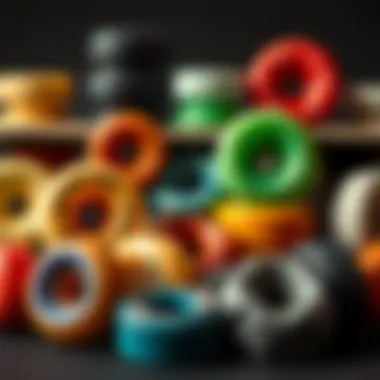
While performance is paramount, the design and aesthetic elements of the wheels can’t be overlooked. Wheel colors, patterns, and graphics often reflect a skater's personality and style—a form of personal branding within the skating community. Plus, some wheels come equipped with additional features such as LED lights for nighttime skating or unique patterns that catch the eye.
Additionally, the material of the urethane can differ, affecting the overall look and feel. Companies often introduce limited editions or collaborations with artists, which can appeal to collectors and fans alike.
"The right wheels can make the world of difference in how smooth a ride feels and how well you perform your tricks."
For further reading on the importance of skateboard wheels and their specifications, check out resources like Wikipedia and Britannica.
Maintenance and Care for Polyurethane Wheels
Taking care of polyurethane skateboard wheels is essential not just for maintaining their performance, but also for ensuring longevity. While skateboarding is often associated with a carefree spirit, neglecting the maintenance of wheels can lead to diminished performance and an overall lack of enjoyment. Regular upkeep can prevent costly replacements and keep your rides smooth and enjoyable.
A well-maintained wheel provides better grip, enhances speed, and delivers comfort during every ride. Learning this aspect can save you time and avoid aggravating experiences on the pavement or at the skate park.
Keeping your wheels in shape involves two main areas of focus: cleaning techniques and checking for wear and tear.
Cleaning Techniques
The cleanliness of your wheels directly impacts both performance and aesthetic appeal. Here are practical steps for cleaning polyurethane wheels effectively:
- Initial Inspection: Before you even grab a cloth, take a look at your wheels for any visible debris or damage.
- Gather Supplies: You’ll need a soft cloth, warm water, soap (preferably mild), and possibly a toothbrush for stubborn dirt.
- Wash: Start by removing each wheel. Use warm, soapy water to clean the wheels. Many skaters find a simple household dish soap does the trick just fine.
- Scrubbing: For grime that won’t budge, a toothbrush can effectively target the grooves where dirt hides.
- Rinse and Dry: After a thorough cleaning, rinse the wheels off. Make sure to dry them completely before reassembly to prevent moisture-induced issues.
Cleaning does more than improve the look of your skateboard; it can potentially save your bearings from wear and tear caused by dirt buildup.
Checking for Wear and Tear
Polyurethane wheels aren’t immune to damage, so regular checks are crucial. Here’s how to identify signs of wear:
- Visual Inspection: Look out for uneven surfaces, cracking, or discoloration. If your wheels appear misshapen, that’s a sign they’re at the end of their rope.
- Feel Test: While skating, if you notice a lack of grip or a rough ride, those wheels may be past their prime.
- Spin Test: With the truck still mounted, lift the board and spin each wheel. If one spins slower or feels gritty, the bearings might be dirty or worn.
Here’s a quick checklist to help assess the condition of your wheels:
- Surface Cracks: Look for cracks or chunks missing.
- Flat Spots: Dragging your boards causes flat spots, leading to a bumpy ride.
- Wheel Dimensions: Make sure they are closer in size to what is appropriate for your skateboard type and style.
Regular inspection and maintenance of your polyurethane wheels not only prolong their lifespan but also enhance your overall skateboarding experience. It's worth noting that a small investment in your board’s upkeep can go a long way.
In sum, consistent cleaning and checking for wear and tear can make a world of difference in your skateboard's performance. So next time you skate, think about your wheels—they deserve a little love too.
The Future of Polyurethane Wheels in Skateboarding
As skateboarding continues to evolve, the role of polyurethane wheels becomes more central to advancing the sport. The future of these wheels is crucial not just for performance but also for the development of technology, safety, and even environmental considerations in skateboarding. A shifting landscape in user expectations and performance requirements sets the stage for innovation.
Innovative Materials and Technologies
Skateboard wheels have come a long way since the days of metal or hard plastic. Today, with a focus on innovation, several companies are testing new materials that could replace or enhance polyurethane. Some examples are light-weight composites that promise greater durability and elasticity.
New technologies, like 3D printing, are also paving the way for custom designs and improved control in the production of skateboard wheels. The idea is not just to create wheels that look good but also to provide enhanced performance features. For instance, using smart materials that adapt to different environments and conditions could become a reality.
Also, there’s ongoing research into bio-based polyurethanes that could reduce the environmental footprint. These materials could lead to wheels that perform similarly to traditional polyurethanes while being more eco-friendly.
Potential Developments in Design
On the design front, the search for better performance is driving a wave of developments that may redefine the mechanics of skating. An emerging trend is the integration of modular designs in skateboard wheels that allow skaters to swap components based on their specific needs, whether it be for trick skating or cruising.
Customization is on the rise. With skaters increasingly looking for personalized skating experiences, wheel manufacturers are offering bespoke designs that serve both function and style. This includes modifying the hardness levels or incorporating specialized textures for enhanced grip.


> "The way wheels are designed now can dictate not just how fast you go, but also how well you ride and land your tricks."
In keeping with upcoming trends, features like built-in shock absorbers or reflective materials for night skating could be integrated. All of this signifies a move towards wheels that are more than just functional — they will become critical components in how skaters express themselves while enhancing their overall experience.
Comparative Analysis: Polyurethane vs. Alternative Materials
When it comes to skateboard wheels, the material choice significantly impacts a skater's performance and experience. This segment dives into the comparative qualities between polyurethane wheels and alternative materials, specifically polyvinyl chloride (PVC) and rubber wheels. It’s not just a matter of preference; understanding these differences can enhance the skateboarding practice for novices and experts alike.
Comparison with PVC Wheels
Polyvinyl chloride, commonly known as PVC, was once a staple in the skateboard wheel market. However, it has largely been overshadowed by polyurethane. An interesting characteristic of PVC is its rigidity, making it less forgiving on surfaces that vary in texture. Skaters using PVC wheels often find themselves battling a rougher ride. This bumpy experience can lead to decreased control, particularly in technical tricks and transitions.
The benefits of polyurethane become apparent here. Polyurethane wheels are generally softer and more adaptable to diverse surfaces, granting skaters improved grip and maneuverability. This adaptability plays a crucial role, especially when performing tricks on varied terrains such as skate parks or outdoor street setups.
Another point worth mentioning is wear over time. PVC wheels can harden and crack with exposure to environmental elements and repeated use. While polyurethane wheels also wear down, they tend to maintain their integrity for a longer period, which means less time spent replacing gear and more time riding.
"The transition from PVC to polyurethane marked a shift towards better performance and greater skateboarding enjoyment."
Polyurethane vs. Rubber Wheels
Rubber wheels hold their own place in the discussion of skateboard wheel materials, often touted for their excellent shock absorption and smooth ride. However, it's essential to weigh these benefits against the performance characteristics of polyurethane wheels.
One notable advantage associated with rubber wheels is their softness, which provides a cushioned experience. Yet, this softness can come at a cost. Rubber wheels often lack the same level of responsiveness and precision that skaters might expect. In contrast, polyurethane can be engineered to various durometer levels, allowing for a broad spectrum of softness or hardness. This means skaters can select wheels tailored to their specific needs, whether that be for street skating or cruising.
Additionally, the durability factor is crucial when scrutinizing these options. Rubber shows a propensity for increased wear when subjected to the strains of technical tricks, which can limit its lifespan on a skateboard. Polyurethane’s robust nature not only provides a longer-lasting product but also performs consistently well under various skateboarding conditions.
In summary, when contrasting polyurethane wheels with PVC and rubber, the scale tilts heavily in favor of polyurethane for a wider audience in the skate community. Whether concerning grip, durability, or adaptability, polyurethane wheels position themselves as a frontrunner, proving indispensable for skaters aiming to enhance their performance.
Community Perspectives on Polyurethane Wheels
The voices of the skateboarding community shape the narrative surrounding polyurethane wheels, emphasizing their significance beyond mere technicalities. Understanding skater experiences and insights can enhance appreciation for these essential components of skateboarding equipment. By exploring skater reviews and feedback, as well as the influence of polyurethane wheels on skate parks and terrain, we can paint a clearer picture of how these wheels impact the culture and experience of skateboarding.
Skater Reviews and Feedback
When it comes to gauging the true worth of polyurethane wheels, nothing beats the insights from those who use them day in and day out. Over countless rides and tricks, skaters share recommendations, frustrations, and triumphs regarding the wheels they select. The nuances in feedback often highlight factors such as wheel size, hardness, and brand performance.
For instance, a dedicated street skater might praise the sleek grip of Bones STF (Street Tech Formula) wheels, linking their precision to the crazy technical tricks they perform. On the flip side, a longboarder could extol the virtues of Ricta Clouds for their smooth rides over rough surfaces.
Such reviews not only assist potential buyers in making informed choices but also foster a sense of community among skaters. Sharing experiences creates a platform where newbies can receive guidance from veterans who’ve traversed the very same hops, bumps, and grinds.
"Finding the right wheels is like putting the icing on the cake; it's what makes the ride sweeter," said one long-time skater on a forum discussion.
Influence on Skate Parks and Terrain
Polyurethane wheels have transformed the designs and usability of skate parks. Facilities around the world are increasingly tailored to accommodate these wheels' unique properties. The smoothness and durability of polyurethane have ushered in a new era of park design, focusing on surface consistency and transition angles that complement the wheels' performance.
As the demand for quality experiences continues to rise, skate parks implement different materials and shapes to cater to the diverse wheel varieties available today. Skaters can now revel in grindable ledges, smooth transitions, and even custom setups designed specifically for their polyurethane wheels.
These wheels don't just impact how skaters grip the ground; they dictate how parks evolve and how different terrains become skateable. From bowls to urban street spots, the versatility of polyurethane wheels encourages innovation, motivating designers to push the envelope further.
Ultimately, feedback from skaters and the influence on terrain serve as metrics for progress, signaling what works and where the community wants to go, always with an eye towards enhancing their skate culture.
End: The Integral Role of Polyurethane Wheels in Skate Culture
In the lexicon of skate culture, polyurethane wheels stand out as pivotal components that shape not only the mechanics of skating but also the social fabric surrounding it. Skaters often gravitate towards these wheels for their blend of performance and adaptability, making them a mainstay in the community. They aren't just functional; they embody the ethos of creativity, freedom, and innovation that skateboarding represents.
Summarizing Key Takeaways
To distill the essence of this discussion:
- Material Significance: The inherent properties of polyurethane, such as durability and grip, contribute significantly to the riding experience, setting them apart from alternatives like rubber or PVC.
- Versatile Performance: Polyurethane wheels accommodate a variety of terrains and skating styles. Whether it's street skating or park tricks, these wheels provide the flexibility needed for diverse skating environments.
- Community Influence: The preferences of skaters shape the evolution of wheels. Feedback loops between manufacturers and users foster a culture of continuous improvement and design innovation.
"Skateboarding is about pushing boundaries. Polyurethane wheels have constantly redefined what's possible on four wheels."
Looking Ahead at Skateboarding Equipment Advances
As we look towards the horizon of skateboarding technology, one can't help but notice the innovations that continue to surge in tandem with polyurethane wheels. New formulations and hybrid materials are being researched, promising even greater performance and environmental sustainability. For instance, companies are beginning to experiment with bio-based polyurethanes, which could reduce the carbon footprint of the skateboarding industry.
Furthermore, technology-driven designs are on the rise. The integration of smart technologies into skate performance—like embedded sensors in wheels to track wear and track data on the go—could transform skaters’ experiences, providing insights that can enhance both safety and performance.
In summary, the structural and functional characteristics of polyurethane wheels significantly enrich the skateboarding world, fostering evolution while embodying a spirit of innovation. As skaters continue to express themselves and push the limits of what is possible, polyurethane wheels will inevitably adapt, bridging tradition with the future.