Exploring the Legacy of Old Skool High Skateboarding Culture


Intro
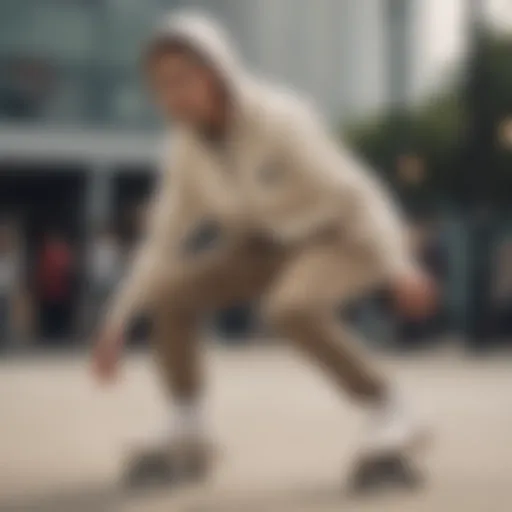
Skateboarding, as a culture, is stitched with threads of history, rebellion, and a continuous evolution that runs deep in the hearts of its enthusiasts. Old skool high skateboarding is a particularly vibrant subsection of this culture, characterized by its distinctive style and techniques that evoke a powerful sense of nostalgia. This exploration takes a closer look at its foundational aspects, which once shaped the streets and parks of the past and continue to influence modern skateboarding.
From the easy-going vibes of the 1970s to the enthusiastic grit of the 1980s and 1990s, high skateboarding brings with it memories of camaraderie, struggle, and progression. The techniques that emerged from this era not only reflect the physical prowess of the skater but also the raw creativity and community spirit that defined the culture. Through a meticulous examination of key figures, signature moves, and the very boards that made history, we peel back the layers of skater life—discovering how these elements continue to resonate today.
Unpacking these elements isn’t just for the hardcore fans of the past; it’s equally crucial for newcomers seeking to grasp the roots of their passion. Whether you're just starting out or a veteran looking to reminisce, understanding the essence of old skool high skateboarding deepens one’s appreciation of the craft. With clarity, we’ll dive into skateboard techniques, gear that has stood the test of time, and the spirit of nostalgia that fuels this enduring culture.
Let’s kick things off with the core moves that made this style iconic.
Historical Context of Old Skool High Skateboarding
Understanding the historical context of old skool high skateboarding offers a window into its soul. This era was not simply about skateboards or ollies. It was a cultural moment, where rebellion met artistry on wheels. Beyond the tricks and flips lie stories of self-expression, community, and an evolving identity that still resonates today.
Origins in the Seventies
The roots of high skateboarding stretch back to the 1970s when a mix of surf culture and street creativity collided. Back then, skateboarding was more of a pastime than a lifestyle. Almost as if out of necessity, kids took their surfboards off the waves and onto the paved streets. Makeshift ramps sprung up in backyards, made from whatever wood could be scrounged. The early skateboard scenes can be seen in places like California’s Dogtown, where surfers turned skaters honed their skills during dry spells.
A key innovation during this time was the introduction of urethane wheels. Prior to this, skateboard wheels were made of metal or hard plastic, offering little in the way of grip or comfort. Urethane changed the game, providing a smoother ride and enabling skaters to tackle curves like never before. This simple material switch ignited a spark in the community, breeding a newfound confidence and daring to push limits.
Evolution into the Eighties
Fast forward to the 1980s, a decade marked by a riot of colors and audacious styles, both in fashion and skateboarding. This was the golden age for skaters around the world. Freestyle tricks blossomed, and bowls emerged in parks, creating perfect spots to exploit one's skills. Skateboarding was no longer just an underground movement; it was thriving. Magazines like Thrasher and Skateboarder heralded this golden era, showcasing skaters like Tony Hawk and Rodney Mullen who pushed the boundaries.
Changes in board design showed a clear shift in focus, moving toward wider boards and an emphasis on vertical skating. The introduction of the kicktail allowed skaters to ollie off ramps and execute tricks that rallied crowds, further pushing the culture into the spotlight. Events like the 1985 World Skateboarding Championships became legendary not only for the talent showcased but for the atmosphere created by a community that knew they were part of something much bigger than themselves.
Influence of Punk Culture
The intersection of punk culture and skateboarding during this era was significant. Skaters embraced DIY attitudes and a rebellious spirit that echoed the punk movement. Bands like the Dead Kennedys and Black Flag became anthems for skaters, while skate videos often featured soundtracks that resonated with their anti-establishment vibe.
Skateboard fashion, which included well-worn jeans, plaid, and logos from local music venues, spoke to a do-it-yourself ethos that appealed to a generation tired of mainstream expectations. This blend of punk and skateboarding birthed a raw, unfiltered aesthetic that celebrated individuality and authenticity. Skaters weren't just performers; they were artists in action.
"Skateboarding is not a mere sport; it is a lifestyle, an art form intertwined with the very essence of punk culture."
The historical context of old skool high skateboarding is far more than a chronological sequence of events. It embodies a tapestry of experiences that shaped a generation. By tracing these origins, we keenly observe how this culture continues to affect today’s scene, fueling the fire of creativity and self-expression. Understanding this foundation provides not just knowledge but also respect for the artistry that has defined and redefined skateboarding over four dynamic decades.
Key Figures in Old Skool High Skateboarding
The realm of old skool high skateboarding is not just about the boards and tricks; it’s woven deeply into the fabric of culture, shaped by passionate individuals who have left an indelible mark. Understanding these key figures helps to enrich our appreciation for the sport and its evolution, connecting past to present and highlighting the vital contributions that continue to inspire today’s enthusiasts.
Legendary Skateboarders
A handful of legendary skateboarders stand out not only for their skills but also for their roles in popularizing the sport. Tony Hawk, often dubbed the face of skateboarding, revolutionized vert skating and trick innovation. His introduction of the "900" — a trick that involves two and a half rotations before landing — remains a cornerstone achievement in the sport.
Alongside Hawk, names like Stacy Peralta and Rodney Mullen resonate profoundly. Peralta, part of the iconic Z-Boys, didn’t just skate; he brought street style and flair into the limelight. On the other hand, Mullen is commonly seen as the godfather of street skating, parenting many of the flips and tricks skaters rely on today. His approach transcended mere technique into the realm of artistry, inspiring countless skaters to express themselves uniquely.
Innovators in Skateboard Design
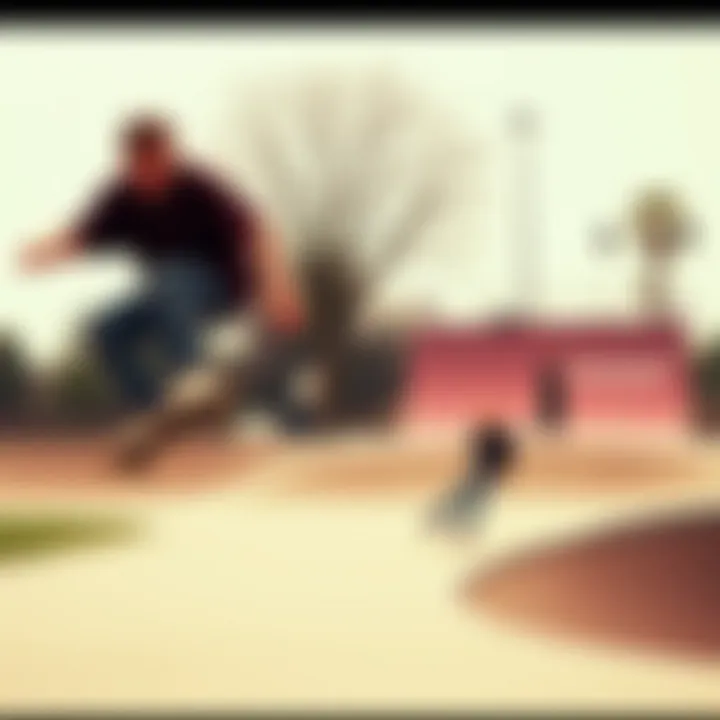
Innovation is at the heart of skateboarding's development, from the materials used to the shapes of boards. One cannot discuss this topic without mentioning the pioneering work of Frank Nasworthy. He introduced the urethane wheel in the late 1970s, a game changer that enabled smoother rides and better grip. Before this innovation, riders faced challenges due to rigid materials that hampered performance.
Then there’s the impact of board shapes, which shifted over time startlingly. The shift from wide designs to popsicle shapes allowed for increased maneuverability and flicks essential for tricks. The Dwindle Distribution Team, including brands like Almost and Baker, played an essential part in reflecting skater trends. Their custom graphics and board profiles have continually pushed boundaries in performance and artistic expression.
Influential Music and Art
Art and music have always been intertwined with skateboarding culture, amplifying its essence vibrantly. From punk rock’s raw energy to hip-hop’s rhythm, the sounds of the streets provided the backdrop for many skaters. Bands like the Dead Kennedys and Black Flag didn’t simply resonate with skaters; they became anthems for a lifestyle that celebrated freedom and rebellion.
Documentaries and films like "Dogtown and Z-Boys" illustrate this connection effectively, highlighting how the aesthetics of art movements influenced skateboarding graphics and styles. Skate art is not just decoration; it represents a voice and attitude, often reflective of broader youth culture. The raw edge of DIY art has led to significant contributions from various artists, reshaping how skateboards are viewed — as canvases rather than just equipment.
In exceeding the limits of traditional art and music, these figures reveal the multilayered aspects of skateboarding culture. The connections forged through personal stories, innovations, and creative expressions underscore why old skool high skateboarding remains relevant and revered, even decades later.
"The heart and soul of skateboarding are deeply rooted in those who shaped it — each trick, each graphic, each song echoes their influence."
It's vital to recognize these contributions to appreciate the current state of skateboarding and inspire ongoing progress within the community. As newer generations take up the board, the legacies of these key figures continue to resonate.
Cultural Significance of Old Skool High
The cultural significance of Old Skool High skateboarding goes beyond just the act of riding a board. It’s a rich tapestry woven with threads of creativity, rebellion, and community spirit. As the roots of this skateboarding style dig deep into the societal changes of the 1970s and 1980s, understanding its cultural implications gives us a glimpse into the lifestyle surrounding it. Here are the key elements that underscore the importance of this culture:
- Embraces Individuality: Old Skool High celebrates a sense of personal expression. Each skater brings their own flavor to the scene, often seen in their choice of board, clothing, and tricks.
- Legacy of Rebellion: Skateboarding emerged as a form of rebellion against mainstream norms. It offered an escape for youth craving freedom, which resonates even today.
- Community and Camaraderie: Skaters often form tight-knit communities. This sense of belonging has persisted, allowing friendships and networks to grow.
Nostalgia and Its Role
Nostalgia fuels the passion for Old Skool High skateboarding. It’s not just about remembering a time gone by; it's a way to connect generations. Many current skaters are drawn to the style not only for its tricks but for the stories that accompany them.
The feeling often evokes memories of simpler times shared with friends, long afternoons spent perfecting tricks at the local skatepark, or even the iconic music that played in the background. For older skaters, it’s a bridge to their youth, while newer generations are captivated by its authenticity. The cyclical nature of nostalgia keeps the essence of this culture alive, as memorabilia and retro gear flood stores, igniting the flames of interest.
Fashion Trends from the Era
Fashion in the Old Skool High scene was as much a part of the culture as the skateboarding itself. The distinct styles that emerged are celebrated today. From brightly colored shoes to oversized tees, here are some notable trends:
- Baggy Jeans and Cargo Pants: Comfort and movement were priorities. Baggy fits allowed skaters to move freely while executing difficult tricks.
- Graphic Tees: Many wore shirts emblazoned with vibrant logos, cartoon characters, or bold slogans that spoke to the subculture's spirit.
- Skate Shoes: Brands like Vans and Converse offered shoes with enhanced grip and durability, becoming staples for every skater.
These fashion staples continue to influence modern skate wear, as today’s designers often draw inspiration from this vintage aesthetic, merging past trends with contemporary style.
The Rise of Skateboarding Media
The explosion of skateboarding media played a pivotal role in shaping the Old Skool High culture. Documentaries, magazines, and videos helped disseminate the lifestyle far and wide.
- Magazines: Publications like Thrasher and Skateboarding Magazine started in the 80s, capturing the essence and evolution of skate culture. They featured profiles of legendary skaters, cementing their places as icons.
- Video Montages: The emergence of VHS tapes allowed skaters to share tricks and showcase their creativity, forming a community that extended beyond geographical boundaries.
- Online Platforms: In today’s digital era, social media serves as the new skate platform. Instagram, TikTok, and YouTube allow skaters to showcase their talents and connect worldwide.
In essence, the media built a framework that connected skaters, spreading knowledge, styles, and memories, thus continuing to contribute to the culture's evolution.
"Skateboarding is not just a sport; it's a way of life that unites people across ages, encouraging creativity, independence, and community."
The journey through the Cultural Significance of Old Skool High skateboarding uncovers its essential role in shaping the identities of skaters around the world. As we explore how nostalgia, fashion, and media intertwine, we see how this culture is not just alive but thriving.
Techniques and Styles Associated with Old Skool High
The realm of old skool high skateboarding isn't merely about rolling on a board—it's an intricate tapestry of techniques and styles that reflect its roots and evolution. These methods resonate strongly with various generations, showcasing what true skateboarding embodies. The techniques from this era are not only essential for mastering the craft, but they also hold a deep cultural significance. They bind skaters to one another, emphasizing a shared love for the sport.
Traditional Tricks and Maneuvers
When one ponders old skool high skateboarding, it’s hard not to picture the iconic tricks that defined the scene. Tricks such as the ollie, the kickflip, and the heelflip are not only pivotal but also serve as gateways for expression. Each maneuver carries its own unique flair, course taught by experience and countless hours on the board.
- The ollie revolutionized skating, enabling skaters to leap over obstacles with finesse. Its simplicity hid a world of complexity; getting it right takes practice.
- The kickflip added creativity to flatland skating. Learning this trick can ignite a sense of accomplishment, particularly when executed perfectly.
- In addition, the nose manual is another core maneuver, showcasing balance and control, key elements of being a skilled skater.
These tricks must not be underestimated; they lay the groundwork for more advanced styles and remain a rite of passage for many skaters.
Impact of Vertical Ramps
Transitioning from the streets and into skate parks, the impact of vertical ramps cannot be overstated. These structures opened up an entirely new dimension of skating, allowing skaters to perform tricks with a heightened degree of freedom and creativity. The thrill of pumping up a ramp, feeling the board lift against gravity—this became synonymous with the culture.
Vertical ramps amplified the stakes; they introduced adrenaline-packed maneuvers that were once deemed impossible. For instance, the vert transfer—a move that pushes the boundaries of artistry and skill—allows skaters to seamlessly navigate different heights, blending flow with flair.
Interestingly, these ramps became incubators for innovation, where skaters could experiment with combining tricks in ways that had not been previously explored. As skaters honed their skills, they pushed each other to break new barriers, setting the stage for the next generation of extreme sports.
Skateboarding in the Streets
Street skating, often viewed as the heart and soul of old skool high, transforms everyday urban landscapes into playgrounds. Graffiti-covered ledges, curbs, and rails are a testament to the adaptability of skaters who find their rhythm amidst the chaos of city life.
This style of skating fosters a spirit of community, with crews gathering to spot new obstacles and share techniques. It becomes a shared form of expression—each skater carving their mark, much like an artist on a canvas. Notable tricks here include the grind, where skaters utilize edges of objects to maintain momentum, or the slide, where boards navigate through complex maneuvers, often eliciting cheers from those watching.
Beyond the mere stunts, there’s a sense of rebellion embedded within street skating. It showcases creativity against the backdrop of urban challenges, embodying a lifestyle where the skateboarding culture thrives in the face of conformity.
Contemporary Influence of Old Skool High
The old skool high skateboarding culture isn't just a relic of the past; it continues to leave its mark on the modern skateboarding scene. This segment focuses on the various ways this vintage culture informs today's practices, aesthetics, and community engagements. Companies are embracing traditional styles, while younger skaters are cultivating a fascination with the tricks, attire, and ethos that defined skateboarding during its golden years. By dissecting these elements, we gain insights into the lasting impact of old skool high on contemporary skate culture.
Resurgence in Popularity
Recently, there's been a noticeable resurgence in old skool skateboarding popularity. With rising interest, old school skateboards accompany conversation pieces in the skate community. This revival has mass-appeal, enticing both seasoned veterans and young enthusiasts curious about skateboarding's roots. Many old skool styles are making a comeback, influencing new product releases while reminding skaters about their origins.
Some key factors contributing to this resurgence include:
- Nostalgic Fashion Trends: Many skaters are donning vibrant clothing and sneakers reminiscent of the 70s and 80s.
- Throwback Events: Skateboarding contests specializing in classic tricks celebrate the vibrant culture; they also attract new faces eager to learn.
- Increase in Vintage Skate Shops: Stores specializing in retro gear reflect back on themes of rebellion, freedom, and self-expression.
Modern Skateboarding Brands
Today’s skateboarding brands are taking cues from the past, blending old and new influences. Many companies are crafting boards and apparel that pay homage to the old skool aesthetic. Iconic brands such as Santa Cruz Skateboards, Vision Street Wear, and Powell Peralta have launched limited edition products bringing back classic graphics and designs. This strategic blend appeals to both newcomers and collectors ensuring the essence of old skool remains alive.
Modern brands are leveraging vintage styles in various ways:
- Collaboration with Artists: Limited releases often feature artwork inspired by the golden days of skate culture.
- Re-imagined Trick Decks: Boards tailored for classic maneuvers are gaining traction, meeting the demands of new and old skaters alike.
The Role of Social Media


Social media acts as a megaphone amplifying the voices of skateboarders who cherish traditions of old skool high. Platforms like Instagram and TikTok go beyond mere representation; they assist in forming communities that passionately share their stories, progress, and art. Users post tricks, tutorials, and videos showcasing their journeys, making certain that the culture flows like a perfect trick.
Notable trends emerging through these platforms include:
- Skateboarding Challenges: Users film themselves performing classic old skool tricks, drawing attention and participation from a larger audience.
- Community Building: Online groups foster a sense of belonging, delineating shared experiences among skaters with roots in old school.
- Archiving History: Content creation acts as both documentation and celebration of (self)identity; it helps to keep the knowledge of skateboarding's history alive.
"Social media is the new skate park; it connects us all, empowering skaters of all backgrounds to share the love for old skool high."
Overall, the contemporary influence of old skool high skateboarding culture serves to bridge generations. It enriches the landscape of modern skateboarding, ensuring that the spirit of rebellion and creativity first ignited in the past continues onward with fresh enthusiasm home to skaters everywhere.
Community Perspectives on Old Skool High
Skateboarding is not merely a sport, it’s a lifestyle and that lifestyle helps forge communities where shared passions thrive. In the case of old skool high skateboarding, the camaraderie runs deep, and the experiences skaters share has shaped this culture profoundly. The importance of discussing community perspectives stems from understanding how skaters connect to each other through a mutual appreciation for this heritage. From local skate parks to global competitions, every interaction builds upon the foundation laid in the past while resonating with the present and looking forward to the future.
Shared Experiences Among Skaters
The experiences shared among skaters are as varied as the tricks they perform, but they all contribute to a larger narrative that honors the skateboard culture. Many skaters remember the first time they stepped on a board, often recalling the thrill combined with a dash of fear. Those insecure moments create a community bond. Sharing tips in person, whether in a skate park or through social media platforms like Facebook or Reddit has become commonplace. This exchange of knowledge fosters a sense of belonging.
Additionally, stories of falling off boards and scratching knees are often recounted with nostalgia, cementing camaraderie. It's through these shared hurdles that friendships are built, strengthening the community spirit.
Events and Competitions
Gathering for events and competitions is another cornerstone of the old skool high community. Events such as the Vans Warped Tour or local-renowned Skate or Die competition draw in throngs of skaters and fans alike, becoming a melting pot of talents and styles. These events are not just about winning; they celebrate a culture celebrating creativity, individuality, and expression.
The energy at these competitions is palpable, with skaters pushing boundaries and entertaining crowds, while spectators cheer with relentless enthusiasm. This vibrant exchange at competitions further solidifies the bonds formed in skate parks and social clips. They also provide a platform for the younger generation to witness legends, inspiring them to carve their own path.
Skateboarding as a Form of Expression
Skateboarding, particularly in the old skool high culture, stands as a profound form of expression. Skaters do not merely ride boards; they weave intricate tales of rebellion, freedom, and art through their movements. Each trick, turn, and slide showcases both skill and personality, creating a verbal dialogue without words, echoing in urban landscapes.
The designs on boards often embody individual artistic sensibilities or statements on social issues, disseminating personal stories through colors and graphics. Much like a canvas, skateboard decks serve as a medium of expression, allowing skaters to communicate their identity and beliefs. The beauty lies in the diversity—different styles resonate with various subcultures within the skateboarding community.
"Skateboarding is the ultimate expression of individuality and creativity, all intertwined with the rhythm of wheels on concrete."
As skaters perform, they manifest raw passion and creativity, reflecting their influences and emotions. This dynamic intermingling of art and sport speaks volumes, demonstrating that skating is fundamentally about more than just physical activity. It’s about forging a connection to oneself and the broader community.
The Future of Old Skool High Skateboarding
As we peer into the future of old skool high skateboarding, a blend of nostalgia, innovation, and evolution unfolds. This aspect is crucial in understanding how venerable traditions can carve out their niche amidst modern advancements. The skateboarding world is often a mosaic of past and present, where seasoned skaters reminisce about iconic tricks on their boards while newer generations embrace old skool styles through fresh lenses.
Maintaining Relevance
Keeping old skool high skateboarding relevant is akin to painting an ever-evolving mural; it requires maintaining the old while incorporating new techniques and styles. One key element is the continued presence of skate parks that honor classic designs, featuring the vertical ramps that defined a decade. These spaces become community hubs, gathering both veterans who once thrived in that culture and youngsters eager to learn. Moreover, events that celebrate old skool influences—like retro skate contests and nostalgic meet-ups—encourage unity amongst skaters, fostering mentorship between generations. Ultimately, maintaining the relevance of old skool high skateboarding lies in creating spaces and events that not only pay homage but also invite participation.
Potential Innovations
Innovation, often seen as counter to nostalgia, can actually weave seamlessly into old skool high skateboarding. Consider the emergence of eco-friendly materials that mimic the aesthetics of retro boards. Brands such as Santa Cruz or Powell Peralta might explore sustainably sourced wood or innovative polymer composites, blending the past’s character with modern sensibilities. Additionally, the rise of technology in skateboarding presents a unique frontier. Imagine skateboards equipped with sensors that track tricks in real-time or VR skate experiences that allow skaters to relive classic runs from legendary skateparks. These innovations can refresh interest while still respecting the roots of the sport. Embracing these technological advances without losing sight of what made skating special could define the future of old skool high skateboarding.
Integration with Newer Riding Styles
Addressing integration with newer riding styles is key for evolving the old skool scene. The contemporary landscape features a mix of styles from street skating to freestyle, and old skool high can find its place within these movements. Skaters can blend traditional tricks with modern flair, such as the introduction of high-flying aerial maneuvers into classic grinds. Moreover, collaborations between brands that specialize in different riding styles could lead to products that honor old skool designs while benefiting from cutting-edge performance. Skateboarding might become less of a segmented sport and more of a hybrid experience that pays homage to its history while adapting to the future.
By staying grounded in its roots while reaching for the stars, old skool high skateboarding can thrive in a new era.
In summary, the future of old skool high skateboarding hinges upon a careful balance—upholding the nostalgia that many hold dear while remaining open to fresh innovations and techniques. As skaters continue to push boundaries, old skool high skateboarding will forge an identity that blends the old with the new, ensuring that its essence remains unshaken.