The Aesthetic and Functionality of Too Sweet Clothing in Skate Culture


Intro
Skateboarding isn't just a sport; it's a way of life. It embodies a unique culture, replete with its own fashion statements, beliefs, and behaviors. At the heart of this culture is a burgeoning trend dubbed too sweet clothing, which blends aesthetic flair with practical functionality. It's not merely about looking good while busting a trick at the local park; it’s also about how these garments support the skateboarders in their daring daily endeavors.
The profound connection between clothing and skateboarding extends beyond individual style. The right attire enhances performance, boosts confidence, and fosters a stronger sense of belonging within the skate community. Through this exploration, we’ll analyze how too sweet clothing evolved, its role in shaping skater identity, and what the future holds for this fascinating intersection of fashion and sport.
Skateboarding Techniques
Skateboarding demands a blend of skill, artistry, and personal expression, all of which are significantly influenced by the choice of clothing. The right fabric and cut can greatly enhance performance in different skateboarding techniques.
Mastering Tricks
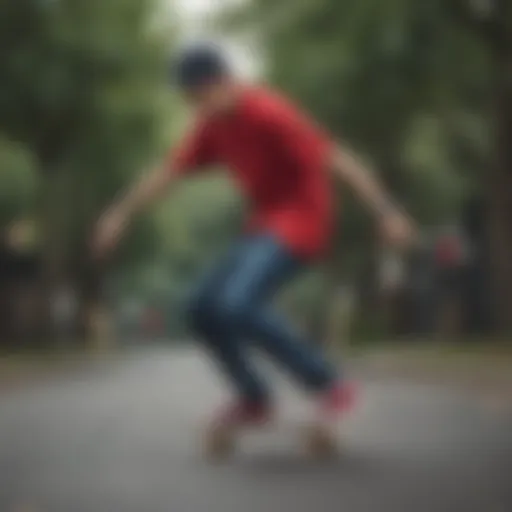
Executing tricks like ollies, kickflips, or grinds requires not only practice but also suitable attire that allows for freedom of movement. Skaters often seek out looser fits and stretchable materials to ensure that they can maneuver without restrictions. Too sweet clothing typically includes features like reinforced stitching and flexible fabrics which withstand the wear and tear of frequent skating. This ambition to master tricks while dressed stylishly reflects the duality that exists in skate culture.
Improving Balance and Stance
A skater's balance and stance are paramount. Clothing shouldn’t just look good; it should also contribute to a skater’s ability to hold their ground. Many skaters opt for specific styles of shorts or pants that offer a snug fit at the waist but have a roomier design through the legs. This balance allows for optimal foot placement on the board while maintaining comfort and mobility. In too sweet clothing, this often translates into eye-catching designs that do not sacrifice functionality.
"Skateboarding is about self-expression; clothing is one of the ways skaters assert their identity on their boards."
In summation, as we dive deeper into this article, readers will discover how too sweet clothing not only influences individual skater identities but also resonates with the broader cultural narratives surrounding skateboarding. Expect insights into craftsmanship, as well as an examination of how materials contribute to both aesthetics and utility for skate culture enthusiasts.
Prologue to Too Sweet Clothing
The realm of skate culture is more than just lip tricks and gnarly grinds on concrete. It's a vibrant tapestry woven from personal expression, community bonds, and a unique sense of style. At the heart of this tapestry lies Too Sweet Clothing, which elegantly marries aesthetic appeal with the functional necessities of skateboarders. Understanding this clothing brand is key to grasping the broader dynamics of fashion in skate culture. It isn't just about looking good; it's about creating a sense of identity, belonging, and performance while engaging with the environment.
Too Sweet Clothing encapsulates what skate culture represents—freedom, rebellion, and authenticity. Marked by distinctive designs and a commitment to durability, this brand serves as a canvas onto which stories are painted, personalities are showcased, and cultural statements are made. This examination will uncover the core characteristics that define Too Sweet Clothing and its significance within the skateboarding community.
Definition and Characteristics
Too Sweet Clothing is not simply another name in the vast clothing market; it embodies a lifestyle. This clothing line is characterized by its blend of comfort, quality, and edgy aesthetics that resonate with skaters. The apparel often includes graphic tees, baggy pants, and accessories that showcase bold prints or striking motifs, easily recognizable in skate parks around the globe.
Fashion isn’t static, so the characteristics of Too Sweet Clothing adapt to trends while maintaining a strong link to traditional skate styles. The cuts are designed for movement—looser fits allowing for better mobility on the board—while the materials are selected to withstand the daily wear and tear that skaters put them through. For example, many items may feature reinforced stitching or heavy-duty fabric that doesn’t just look good but also delivers when the rider lands hard.
Cultural Significance in Skateboarding
In skateboarding, clothing serves as a medium for self-expression and cultural representation. Too Sweet Clothing has carved out a niche by resonating with the ethos of skate culture—the pursuit of individuality and resistance against mainstream fashion norms. Through this lens, clothing choices reflect a rider's personality, skate style, and social affiliations.
Moreover, Too Sweet Clothing is interwoven with the community, representing unity and rebellion. Wearing this gear is more than a choice; it signifies a connection to the skater subculture, offering a sense of belonging to those who participate. "Clothes tell your story without you saying a word", as often quoted in skater circles, rings true here. Each piece from the line encapsulates a shared experience, harking back to skate parks, street spots, and the thrill of the trick.
As fashion trends shift, Too Sweet remains anchored in its roots while appealed to new generations discovering skate culture. It not only reflects the present but also respects the past, ensuring that the identity of skateboarding is preserved amidst its evolution.
Historical Context
Understanding the historical context of skateboarding fashion is vital for appreciating the unique aesthetic and practical elements that characterize too sweet clothing. Skating isn't just a trend; it's a vibrant culture that has transformed over the decades, intertwining style with function. The origins and evolution of skateboard attire not only reflect the personal expressions of skaters but also the socio-political climate surrounding the sport. This backdrop sets the stage for grasping how too sweet clothing has come to embody the values of self-expression, freedom, and community in skating.
Origins of Skateboarding Fashion
The roots of skateboarding fashion can be traced back to the late 1940s and early 1950s when surfers sought to mimic the thrill of their sport on land. Early skateboarders took cues from popular surf styles of the time, donning elastic shorts and vibrant Hawaiian shirts that were functional and easy to move in. This laid the groundwork for a culture that prioritized not just performance but also a distinct visual identity.
As skateboarding gained momentum throughout the 1960s, the style evolved dramatically. Vans shoes, which emerged on the scene in 1966, played a pivotal role in defining skate fashion. With their durable canvas and rubber soles, Vans quickly became a staple among professional skaters. Too sweet clothing as we recognize it today is heavily influenced by these beginnings, blending comfort with a flair for the dramatic. Beyond just being attire, skater fashion became a statement about rebellion against societal norms, appealing to youth seeking individuality.
Evolution of 'Too Sweet' Style
As we moved into the late 1980s and early 1990s, we saw the rise of brands like Element and Birdhouse. This period marked a shift toward more edgy and alternative styles, with graphics influenced by punk and ska music increasingly entering the fabric of skate culture. The term too sweet came to represent not just an aesthetic choice, but a nod to the carefree, spontaneous spirit of skating itself. Graphic tees featuring bold logos or intricate designs communicated the skater’s personality and affiliations within the community.
Fast forward to the 2000s and beyond, and the evolution of too sweet clothing continues to thrive, reflecting not just trends from the past but also the influence of social media and collaborations between skate brands and high-fashion labels. The heyday of baggy pants gave way to tighter, more tailored fits, but the essence of comfort remained pinned at the forefront.
In summary, the historical trajectory of skateboarding fashion whispers tales of change, resilience, and creativity. As too sweet clothing continues to develop, it carries with it the weight of history and the anticipation of future trends. The culture isn’t static; rather, it perpetually reinvents itself, keeping it fresh for skaters and fashion enthusiasts alike.
"Skateboarding is not just a means of transportation; it's a way to express oneself. Clothing is an extension of that expression." - Anonymous Skater

As we delve deeper into the aesthetics, functionality, and other aspects of too sweet clothing, it's crucial to remember that its history shapes its present and future in a world where skateboarding thrives.
Key Elements of Too Sweet Clothing
In examining the realm of Too Sweet clothing, it's clear that several integral components shape its essence and appeal in skate culture. These elements not only define the aesthetic but also ensure functionality, striking a balance that resonates deeply with skateboarders and their unique lifestyle. The key elements discussed here—fabrics and materials, design aesthetics, and color palettes—serve as foundational pillars that uphold the identity of Too Sweet clothing.
Popular Fabrics and Materials
When it comes to skatewear, the choice of fabrics and materials is paramount. Too Sweet clothing typically embraces durability and comfort through its unique blend of textiles. Skateboarders need clothing that can withstand the rigors of their sport, yet provide ease of movement during tricks and maneuvers. Some of the most favored materials include:
- Cotton Blends: These materials offer breathability while ensuring a soft touch against the skin. The comfort factor cannot be overstated, especially during long sessions on the board.
- Denim: As a classic choice, denim not only stands the test of time but also adds a rugged aspect to skater attire. Heavyweight options resist tearing during falls, a common occurrence in skateboarding.
- Technical Fabrics: Increasingly, brands are integrating synthetic fibers that wick away moisture, promoting temperature regulation and keeping skaters dry even during intense workouts.
The choice of fabric is not just about practicality; it embodies the essence of what skateboard culture stands for—resilience and individuality.
Design Aesthetics and Branding
The design aspects of Too Sweet clothing push the envelope of creativity while staying true to the skate culture roots. Graphics play a vital role, often showcasing bold prints or intricate illustrations that reflect the personality of the wearer. Logos are either prominent or tastefully understated, contributing to a sense of identity among skateboarders.
Collaboration with local artists or skaters brings an organic authenticity to the designs, honoring the grassroots of skate culture. Visually striking pieces become a canvas for expression, allowing skaters to convey their identity and ethos without uttering a single word. As one popular skater once said, "clothes are the intro to who I am."
Moreover, the branding not only signifies quality but often symbolizes a larger movement within skate culture. Limited edition releases or seasonal drops evoke excitement and an almost collectible nature of the clothing, contributing to a sense of community among skaters.
Color Palettes and Patterns
The color palettes and patterns featured in Too Sweet clothing further solidify its association with skate culture. Color choices often range from muted tones to overshadow brighter neon shades that capture attention. Tailored for versatility, these colors can complement a variety of personal styles, making them attractive not just to die-hard skaters but also to fashion-forward individuals.
Patterns like checkerboard, stripes, and abstract graphics often make appearances, each bearing its symbolic meaning or resonance with certain skate subcultures. For instance, checkerboards often nod to the iconic Vans brand, which has become synonymous with skateboarding.
In juxtaposition, tie-dye designs may evoke a sense of nostalgia, connecting skaters to an era where individuality in style was the norm. Therefore, the visual elements do more than just appeal to the eye; they create shared memories and sentiments within the skate community.
"Dressing in colors you like tells the world who you are without having to say a word."
Functionality and Performance
In the world of skateboarding, where the board and the wearer's body come together to defy gravity and norms, the relationship between clothing and performance cannot be overlooked. Functionality in skate clothing is paramount, serving not just as a fashion statement but as an essential component that protects skaters and enhances their ability to perform tricks and maneuvers. In this context, the analysis of Too Sweet Clothing leads us into a deeper understanding of how these garments offer vital benefits.
Durability for Skateboarders
Durability is the cornerstone of any effective skater's wardrobe. Skateboarding can be hard on clothing—falls, grinding against rails, and the frequent wear-and-tear can quickly turn a fashionable fit into a ragged reminder of a bad landing. Too Sweet Clothing, engineered with this in mind, often uses high-quality fabrics and reinforced stitching that hold up remarkably well under pressure. Notable materials include denim, canvas, and specialized blends that resist tearing while still allowing for flexibility.
For example, denim jeans designed specifically for skateboarding might feature extra knee padding or a stretch material blend. These interventions ensure that while a skater is attempting that elusive trick, they won’t need to worry about wardrobe malfunctions or premature fabric failure.
"Skaters rely on their clothes just as much as their boards—one wrong move can lead to serious wardrobe regrets!"
Comfort in Movement
When it comes to skating, comfort is key. The last thing a skater needs is to be restricted by their clothing. Too Sweet Clothing excels in providing a balance between style and comfort. For example, loose-fitting tees made from breathable materials allow for unrestricted motion, which is crucial for executing jumps or flips.
Moreover, the incorporation of performance-enhancing designs, like articulated joints in pants or moisture-wicking properties in tops, ensures that skaters can move as freely as they need to while maintaining their aesthetic. Skaters often describe the feeling of their clothes as second skin—there’s no restriction, only full range of motion.
Temperature Regulation
Temperature plays a pivotal role in a skater's performance. Too much heat can lead to discomfort and distraction while skating, hampering both focus and ability. The materials used in Too Sweet Clothing often incorporate features that help regulate body temperature. From breathable fabrics that promote air circulation to designs that allow for layering without bulk, these garments help skaters maintain their cool—literally and figuratively.
For instance, lighter long-sleeve shirts can be worn in warmer climates while still providing protection from the sun, whereas thicker materials are often used for colder climates without compromising flexibility. As a result, skaters find that they can adapt their attire to fit the day's conditions without losing that signature rebellious style.
In essence, the functionality and performance of Too Sweet Clothing are rooted in its ability to combine durability, comfort, and temperature regulation, creating a clothing line that genuinely meets the demands of the skate culture. As skateboarding continues to evolve, so too will the garments that support its lifestyle, ensuring that skaters remain daring and stylish.
Influence of Skate Culture on Fashion Trends
The relationship between skate culture and fashion is a vibrant tapestry woven from threads of identity, rebellion, and creativity. The influence of skate culture on fashion trends cannot be understated, especially when considering how deeply intertwined the two realms have become over the decades. This section aims to explore this significant interplay, focusing on both the aesthetic choices made by skaters and the commercial responses from the fashion industry.


When skateboarding emerged as a countercultural movement in the late 20th century, it brought with it a distinct style that spoke volumes about its participants. For skaters, clothing was not just about fashion; it was a form of self-expression. From baggy jeans that allow for maximum flexibility to oversized tees showcasing iconic graphics, skate clothing reflects individuality and attitude. In essence, too sweet clothing channels a sense of freedom and authenticity, appealing to skaters who seek not just style, but also a true representation of their lifestyle.
Additionally, the cyclical nature of trends in skate culture showcases a unique aspect of this relationship. Designers and brands often look to the streets for inspiration, resulting in a fusion where the fashion emerges from the very life of the skaters. Here’s a closer look at the significance of this exchange:
- Authenticity: Skate culture proponents prioritize authentic designs that resonate with their community. For instance, classic skateboard graphics and signature brand logos often find their way into trendy lines, ensuring that the skater identity remains intact.
- Accessibility: The evolution of streetwear has made skate fashions more accessible to a broader audience. Brands that began in skate culture have expanded their reach, making it easier for mainstream consumers to embrace this style, often without even stepping on a skateboard themselves.
- Subversion of High Fashion: Skate clothing challenges traditional notions of high fashion. Designers like Vans and Supreme have blurred the lines between luxury and casual wear, paving the way for more informal styles to dominate runways.
"Skate style isn't just a trend—it's a lifestyle that transcends the ramp and blends with everyday wear."
Streetwear and Its Roots in Skateboarding
Streetwear has emerged as one of the most influential and ubiquitous styles in contemporary fashion. Its roots can be traced back to the gritty, urban influences of skateboarding culture. Originating in Southern California, this style encapsulates the ethos of the skate community. It’s characterized by its practicality, comfortable silhouettes, and bold graphics - aspects that were, and still are, fundamental for skaters.
The journey of streetwear from skate parks to fashion runways highlights a significant cultural shift. Brands like Stüssy and Obey, which began as skate labels, have become iconic names within the streetwear market. This designer-street crossover has been mutually beneficial, as it introduces a steady cycle of innovation—both in athletic functionality and in pure aesthetic appeal.
In essence, skate culture's contribution to streetwear involves:
- Community Engagement: Skaters often collaborate with artists and designers, strengthening their community's image while expanding their influence in mainstream fashion.
- Trend Cycles: Skate culture tends to embrace a ->vintage aesthetic, often recycling past trends in a fresh, new way. This continual revival keeps the style relevant and perpetually evolving.
- Diversity in Expression: Streetwear allows skaters to express their identities, traditions, and cultural backgrounds through apparel. The blend of influences can lead to vibrant, unique styles that tell diverse stories of skate culture.
Collaborations with Fashion Brands
In recent years, collaborations between skate brands and mainstream fashion houses have skyrocketed. This phenomenon has not only solidified skate culture's place within the fashion hierarchy but also showcased the immense creative potential of this confluence. Collaborations often merge high-fashion aesthetics with street-level practicality, producing items that resonate with a wide spectrum of consumers.
For instance, partnerships between well-known skate brands like Thrasher and luxury labels such as Gucci have created distinctive pieces that appeal to both skaters and high-fashion aficionados. These collaborations often result in:
- Enhanced Visibility: By associating with established fashion pillars, skate brands gain access to broader consumer bases, effectively elevating their status while remaining true to their core audience.
- Innovative Designs: Collaborative efforts lead to innovative designs often infused with artful expression. This marries artistic vision with the rigor required for skateboarding, resulting in attire that’s both stylish and functional.
- Cultural Commentary: These projects often provoke conversations about class, fashion accessibility, and cultural identity, highlighting the evolution of skate clothing as an integral part of modern fashion discourse.
In summary, the influence of skate culture on fashion trends is profound and multifaceted. It signifies a dynamic exchange that honors the historical roots of skateboarding while propelling it into contemporary relevance. This ongoing dialogue continues to shape the identity of not just skaters, but also the global fashion landscape.
The Role of Social Media
In today's digital age, social media emerges as a powerhouse for shaping trends and facilitating communication. In the realm of skate culture, platforms like Instagram, TikTok, and Pinterest are not just social networks; they're vital conduits for creativity, branding, and community engagement. The role of social media in this context cannot be understated. It has transformed how skaters express their style, showcase their skills, and connect with like-minded individuals.
Platforms and Influencers
Various social media platforms serve as stages for influencers and core community members who mold the perception of skate fashion. Instagram, with its visual focus, allows users to post dynamic photos and videos that highlight clothing like Too Sweet. The rapid-fire nature of TikTok encourages short, engaging clips where skaters can display tricks while effectively promoting their favorite gear. These influencers often wear and endorse specific brands, making them effective ambassadors for skate apparel.
For instance, skaters like Nyjah Huston and Lizzie Armanto have amassed large followings, reflecting not just their skills but also their signature styles. Brands leverage these influencers to reach a targeted audience, gaining visibility and validation in a crowded market. Social media enables consumers to connect directly with their stories, fueling trends from within the community itself.
"Skating has always been about who you are on the board, and social media helps bring out that authenticity in style!" - A noted skate influencer
Impact on Trends and Consumer Choices
The sway of social media is particularly pronounced in the way it affects trends and influences consumer choices within skate culture. Platforms do not just showcase styles; they create and propagate fads that can spread like wildfire. A skater's choice of clothing can turn overnight into the next 'must-have,' setting off a chain reaction as enthusiasts rush to emulate their icons.
Here are the key aspects of this impact:
- Trend Creation: Visual content showcasing Too Sweet clothing can spark immediate interest, leading to significant shifts in purchasing behavior.
- Peer Validation: Seeing peers wear specific items creates a sense of community validation, pushing individuals to seek out similar styles.
- Consumer Engagement: Through comments and shares, brands receive instant feedback, allowing them to adapt quickly to what customers want.
In essence, social media affects not only the aesthetic choices of skaters but also their purchasing habits, bridging the gap between style and functionality in meaningful ways. This ongoing interaction highlights a unique cultural intersection where skateboarding transcends mere sport and morphs into a lifestyle heavily influenced by digital connectivity.
Sustainability in Skate Fashion
In recent years, the conversation around sustainability has taken center stage in various industries, including fashion. When we discuss skate fashion, particularly the fresh wave of too sweet clothing, sustainability is not merely an add-on but a driving force that resonates deeply with skaters and enthusiasts alike. Skaters, often bonded by a profound love for the environment, are beginning to consider how their clothing choices impact the world around them. This section will delve into the critical elements that shape sustainable skate fashion and how they benefit both the community and the planet.
Eco-Friendly Materials
The foundation of sustainable skate clothing lies in the materials used. Eco-friendly fabrics such as organic cotton, hemp, and recycled polyester are becoming increasingly popular. These materials minimize environmental impact in several ways:
- Organic Cotton: Grown without synthetic fertilizers and pesticides, organic cotton reduces harmful chemicals in the soil and waterways. Brands incorporating this material not only promote a healthier environment but also ensure that their cotton is produced in a more humane manner.
- Hemp: Known for its durability and strength, hemp is a low-impact crop that requires less water and no pesticides. When blended with other materials, it can enhance the wearability of clothing while keeping environmental concerns at bay.
- Recycled Polyester: This innovation takes plastic waste and turns it into high-quality fabric. As skaters show concern for ocean pollution and plastic waste, the use of recycled materials in fashion fits right into their ethos.
Being mindful of the fabrics involved is crucial for skaters who value both their style and the health of the planet. By choosing brands that prioritize eco-friendly materials, skaters contribute to a larger movement that advocates for sustainable living.
Ethical Production Practices
While materials are essential, the processes behind production are equally important. Ethical production practices focus on fair labor, responsible sourcing, and the environmental impact of manufacturing processes. Key aspects include:
- Fair Labor Policies: Brands that are committed to ethical practices ensure that workers receive fair wages, safe working conditions, and reasonable hours. This transparency builds trust and loyalty among consumers who are becoming increasingly aware of labor rights.
- Small-Batch Production: Many skate brands are shifting away from mass-produced items toward limited-run collections. This method reduces waste and promotes a culture of quality over quantity. Indeed, buying less but better aligns with the growing trend of mindful consumerism.
- Sustainable Factories: Factories that operate sustainably often harness renewable energy, recycle water, and generally reduce their carbon footprint. Brands adopting these approaches attract environmentally conscious skaters, thus weaving sustainability into the fabric of skate culture itself.
"Choosing sustainability isn’t just a trend; it’s a responsibility we all have, especially in a culture that thrives on community and authenticity."
By focusing on both eco-friendly materials and ethical production practices, the skate fashion industry can create clothing that not only looks good but also respects the planet and its people. As skaters begin to embrace these ideals, there's potential for a significant shift in how fashion interplays with personal expression and social responsibility. This commitment lays a promising groundwork for future innovations in the skate clothing market.
Consumer Perspectives
When considering the impact of too sweet clothing within skate culture, it's crucial to explore consumer perspectives. This section delves into the insights and attitudes of skaters, enthusiasts, and influencers regarding their clothing choices. Understanding these perspectives sheds light on how personal identity, social dynamics, and functionality come into play when selecting skate apparel.
Skater Testimonials on Clothing Choices
A rich tapestry of individual narratives provides a glimpse into how skaters perceive and choose their clothing. Many skaters emphasize a need for durability, citing that their gear must withstand the rigors of their lifestyle. A skater named Jake from San Diego remarked, "When I put on my favorite hoodie, I feel a connection. It’s got the wear and tear of countless falls, which tells a story of my journey."
Such testimonies highlight the importance of character and authenticity in skate fashion. Skaters often report a deep-seated preference for brands that resonate with their experiences and values. This authenticity isn’t just about style; it translates into a sense of belonging within the skate community.
Furthermore, when it comes to fabrics, many pros advocate for lighter, breathable materials that won’t be a hindrance during tricks. As Chloe, a skater from New York stated, "It’s all about freedom of movement. I need gear that moves with me, not against me."
Influence of Peer Groups
The influence of peer groups is another vital aspect that shapes clothing preferences. In skate culture, community and camaraderie inform and drive decisions around what is deemed fashionable. Often, what’s seen on a peer influences the consumer choices of others.
For example, a group of skaters may gravitate towards certain brands after one member shows up in a standout piece.
- Trends Spread Fast: When someone within the group showcases an edgy design or a distinctive color palette, it can spur others to invest in similar styles.
- Conformity and Individuality: While individuality is celebrated, there’s also an underlying expectation to align with the group's chosen aesthetics. This delicate balance often leads to a unique blend of personal expression and community influence.
"In skating, it’s not just about looking good. It’s about belonging, and sometimes that means dressing the part."
This sentiment encapsulates the struggles skaters face between maintaining their unique identity and the desire to fit in with their peers. It becomes a dance of choices and voices, shaping the paths of their fashion journeys.
In summary, examining consumer perspectives in the landscape of too sweet clothing reveals the intricate connections between personal expression, community dynamics, and practical considerations. Skaters' testimonials underscore the importance of durability and comfort while also reflecting broader cultural trends influenced by peer groups.
Challenges in the Skate Clothing Market
The skate clothing market has witnessed significant transformations over the years, but it is not without its hurdles that brands must navigate. Understanding these challenges is essential for grasping the landscape of street fashion, especially concerning too sweet clothing.
The unique dichotomy between aesthetic appeal and practical utility presents a constant challenge for designers and manufacturers. Skate culture is all about freedom of expression, but this doesn't mean that functionality can take a back seat. Skateboards don't skimp out; neither can the clothing.
Competition Among Brands
The skate clothing industry is riddled with competition. Numerous brands are competing for the attention of skaters and style-conscious individuals alike. This competition is not merely about who can splash the boldest logos or the latest colors on their threads; it’s a fight for relevance and authenticity within the community. Established brands like Element and Vans have a stronghold, yet newcomers continually emerge, attempting to carve out their niche.
Brands need a unique selling point that differentiates them from their rivals. Some have pursued eco-friendly materials, while others emphasize customization or limited-edition releases. Nevertheless, the constant influx of new entrants makes it imperative that brands maintain a strong connection to skate culture itself, or they risk falling flat. As consumers become more discerning, their loyalties often hinge on the perceived authenticity and heritage of the brand. A mere slogan won’t win over the hearts of skaters—they seek brands that mirror their values.
Balancing Style with Functionality
The ongoing tussle to balance style with functionality is perhaps the most crucial challenge in the skater apparel market. Skaters require clothing that stands up to the wear and tear of their lifestyle—colors fade, seams fray, and fabrics tear. Therefore, the materials chosen must not only be durable but also facilitate a free range of motion. A pair of pants might look great but could easily fall short if they restrict movement during a trick.
For many, achieving this balance means scrutinizing every aspect of the clothing. Skate-specific features might include reinforced knees, moisture-wicking fabrics, and breathable mesh linings. These attributes aid performance while still allowing for a variety of styles that attract the eye. Brands often use market research and customer feedback to iterate their offerings, which helps them respond to the needs of their target audience.
In essence, the market for skate clothing continues to evolve amid numerous challenges. For brands to thrive, they must recognize the importance of staying true to skate culture, focusing not just on style, but on performance and durability. Providing a compelling narrative along with quality clothing may just be the ingredients needed to fuel a successful venture in this vibrant yet demanding market.
The Ends and Future Trends
As we wrap up our exploration of too sweet clothing in skate culture, it’s clear that this intersection of style and practicality plays a pivotal role in the identity of skateboarders. The aesthetic elements are not just about looking good; they reflect a lifestyle, a community, and a connection to creativity and freedom on the board. Understanding the trends in clothing not only highlights the evolution of skateboarding fashion, but also serves as a barometer for the continual growth of the culture itself.
Predictions for Next Generation Styles
Looking towards the future, we can anticipate a shift in styles influenced by various factors, ranging from technological advancements in fabric production to changing consumer values such as sustainability. Here are a few predictions:
- Increased Use of Eco-Friendly Materials: As awareness about environmental issues grows, brands are likely to embrace organic cotton, recycled polyester, and other sustainable materials. This aligns well with the values of many younger skaters who desire to make a positive impact on the environment.
- Smart Clothing Technology: Expect the emergence of technologically integrated fabrics that can regulate temperature, wick away sweat, or even provide injury alerts. This blend of tech and fabric will cater to the active lifestyle of skaters.
- Maximalist Aesthetics: After years of minimalism, bold patterns and bright colors are set to make a resurgence. The playful side of skate culture will embrace fun and whimsical elements, possibly drawing from retro influences.
- Inclusivity in Sizing: A trend toward inclusion will likely see brands expanding their size ranges to cater to a broader audience, promoting body positivity within skate culture.
By keeping an eye on these evolving trends, enthusiasts can prepare for how too sweet clothing will shaped their fashion choices in the years to come.
The Ongoing Relationship Between Skateboarding and Fashion
The dynamic between skateboarding and fashion is akin to a two-way street. Each continually feeds into the other, shaping both the aesthetic landscape of skate culture and the broader fashion industry. As skate fashion evolves, it reflects not only the needs but also the cultural shifts within the skate community.
"Fashion is an expression, and in skate culture, it speaks volumes about who we are as individuals and as a community." – A modern skater's sentiment that resonates deeply.
- Cultural Movements: With skateboarding becoming an Olympic sport, its reach into mainstream fashion is more pronounced than ever. High-end designers are increasingly collaborating with skate brands, suggesting that too sweet clothing isn't just for skaters anymore; it’s capturing the imagination of those outside the skate parks as well.
- Streetwear Influence: The rise of streetwear has also permanently linked skate culture to fashion. Brands are merging styles, allowing skater clothing to filter into everyday wear, making the identity of skate culture more accessible to a wider audience.